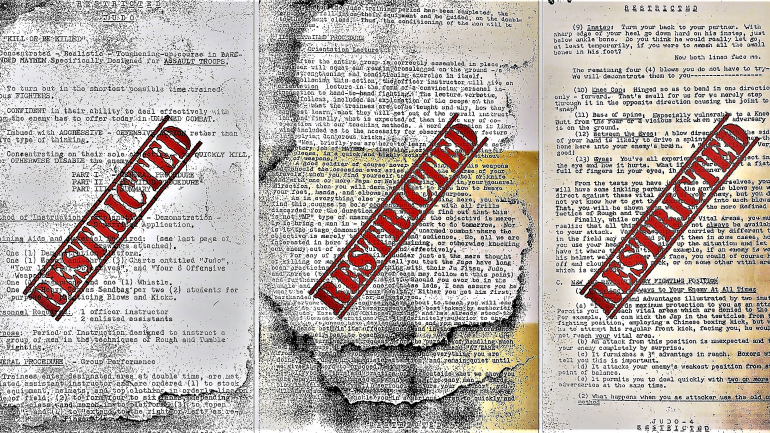
Understanding the Architecture of the U.S. Army’s WWII Close-Combat Course At first glance, the World War II-era Restricted Judo course can look like a collection of harsh hand-to-hand combat techniques assembled for soldiers preparing for war. There are…
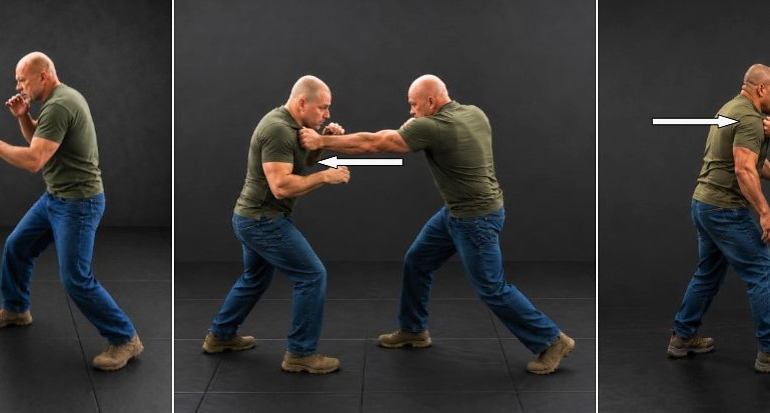
The False Lead Advantage The False Lead is an asymmetrical, highly unorthodox combat posture that completely decouples the upper-body weapons from the lower-body base. By placing your right foot forward as your heavy anchor, yet blading your torso…
“Barron Shepherd is a tremendous advocate for all the things that make combative training great! Martial artists travel along a path. Some find the beginning of that path in a dojo and remain for a lifetime. Others…
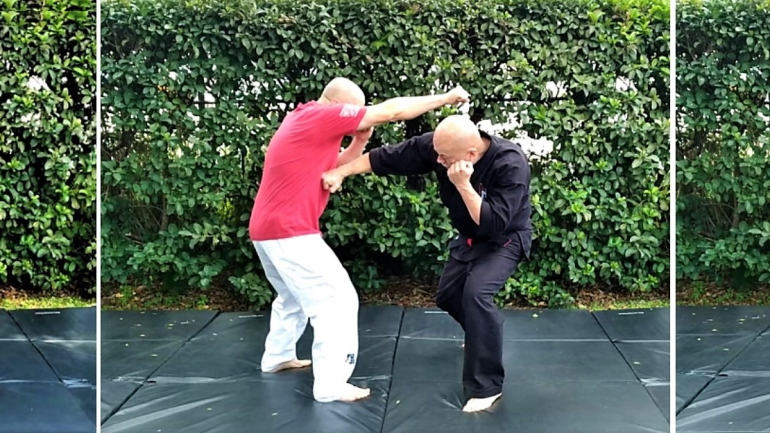
During WWII, military combatives programs prioritized techniques that were practical, easy to learn, and effective under stress. The reverse hip throw was one of four core throws taught across U.S. military training manuals because of its proven success…
GENERAL OVERVIEW Combat Judo is a specific interpretation and application of judo that emphasizes a strategic integration of traditional judo techniques for self-defense and combat situations, focusing on effective entry and disruption to successfully engage and neutralize…
The time it takes to go from white belt to yellow belt in Kajukenbo depends on many factors, including training time, attitude, skill development and the instructor or school. There are a lot of skills to learn in…
Many people will dismiss the usefulness of Judo as a fighting method because it is practiced in a Gi. It’s common to see some in the martial arts community diminish judo as a viable method of self defense.…
The cross-arm guard, referred to in combatives circles as the O’Neill Cover is often credited to Pat O’Neill. Dermot Pat O’Neill was the legendary hand to hand combat instructor for the FSSF First Special Service Force the precursor…
Combat Judo is just that….combat. It is geared to deal with realistic attacks. It is as pragmatic as judo is dynamic. Combat judo deals with situations sensibly and realistically in a way that is based on practical rather…